Intelligent Hardware Solutions for Smart Kitchens & Wardrobes | IoT-Ready Cabinet Fittings
Intelligent Hardware Architecture Overview
The global shift toward connected living spaces has moved beyond standalone smart speakers and lighting systems. Today, the architectural elements themselves—the cabinets, wardrobes, and storage systems that define a home or office—are becoming active participants in the smart ecosystem. For manufacturers of kitchen cabinets, wardrobes, and modular furniture, this evolution presents both a challenge and a commercial opportunity. The challenge lies in integrating electronic and sensing capabilities into traditionally mechanical products. The opportunity is to create differentiated offerings that command premium positioning.
This is where Intelligence-grade hardware becomes critical. Unlike standard drawer slides or hinges, intelligent components are designed from the ground up to accommodate sensors, low-voltage wiring, actuator interfaces, and data communication pathways. This guide examines the core product categories—smart drawer slides, connected wardrobe fittings, sensor-activated kitchen sinks, and intelligent hinges—and explains how to specify, integrate, and validate these components for reliable, long-term performance.
Three Core Subsystems of Intelligence Hardware
Before evaluating individual components, it is essential to understand the architectural philosophy that defines the Intelligence line. These are not retrofitted mechanical parts with glued-on sensors. Instead, each component is engineered with integrated provisions for three critical subsystems:
- Power Delivery Pathway: A concealed channel or contact system that allows low-voltage DC power (typically 5V, 12V, or 24V) to reach the moving parts of a drawer or door without exposed wiring that could be pinched or severed.
- Sensor Integration Points: Pre-designed mounting locations and electrical interfaces for common sensor types—hall effect sensors for position detection, PIR for presence sensing, capacitance sensors for touch activation, and load cells for weight monitoring.
- Communication Bus Compatibility: The hardware supports standard communication protocols (such as I2C, UART, or simple dry contact closures) that can be aggregated by a central control unit or gateway.
Smart Drawer Slide Systems
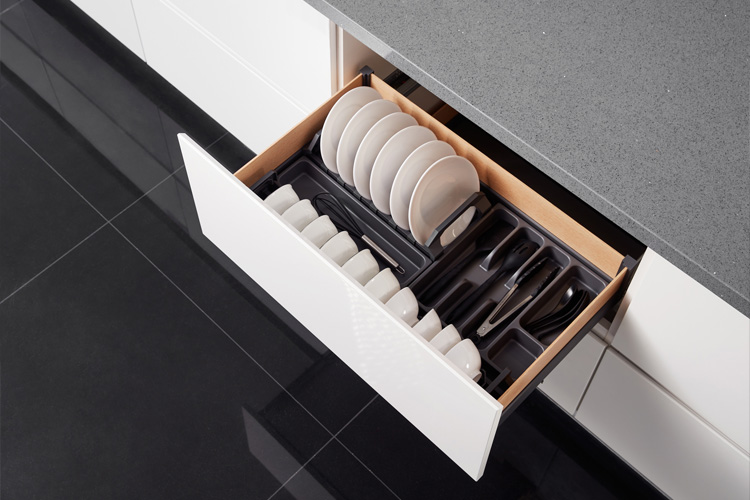
The drawer slide is arguably the most frequently interacted with piece of cabinet hardware. For kitchens, offices, and wardrobes, users open and close drawers dozens of times daily. The Intelligence drawer slide platform transforms this mundane action into a data-generating and responsive event.
Core Capabilities of Smart Drawer Slides
- Position Awareness: Embedded hall effect sensors detect the drawer’s exact position—fully closed, partially open, fully extended. This allows for automated lighting scenarios or inventory tracking.
- Soft-Close with Variable Damping: Traditional hydraulic soft-close mechanisms offer a fixed damping curve. Intelligent slides can adjust damping force based on the drawer’s load weight and the user’s push velocity.
- Motorized Opening Option: For hands-free or accessibility-focused applications, the slide can integrate a small DC linear actuator. Activation via touch sensor, voice command, or proximity sensor triggers smooth, silent opening.
- Usage Telemetry: Optional onboard low-power microcontroller records open/close cycles, duration of open events, and peak load experienced, enabling predictive maintenance and usage pattern analysis.
Manufacturing Integration Considerations
For a cabinet manufacturer producing large volumes of drawer units annually, upgrading to Intelligence slides adds a modest per-unit cost but enables a notable retail price increase for the finished furniture. The value proposition for the end user—convenience, energy savings, and future compatibility—is substantial and easy to communicate. The slides use standard mounting hole patterns, ensuring backward compatibility with existing cabinet designs while adding the intelligent layer.
Connected Wardrobe Fitting Solutions
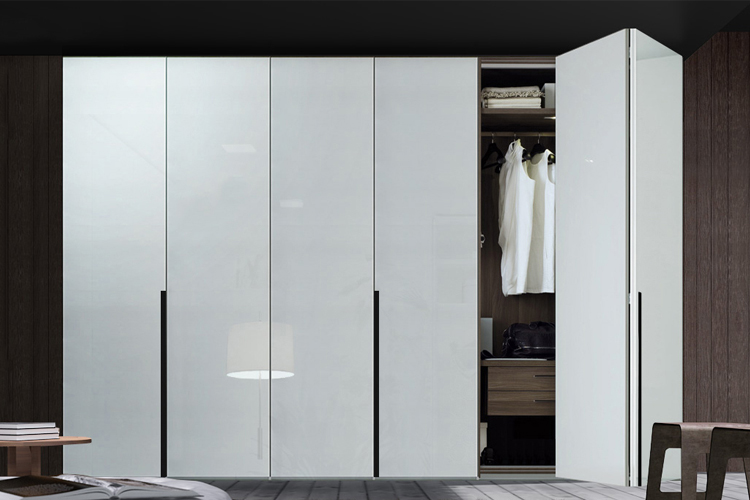
The wardrobe represents a different set of use cases compared to kitchen drawers. Here, users seek organization assistance, garment care, and space optimization. Intelligence wardrobe fittings address these needs through a combination of sensors, actuators, and environmental monitoring.
Key Configurations for Smart Wardrobes
- Sensor-Enabled Pull-Out Hanging Rods: A motorized or spring-assisted hanging rod that extends when a capacitive touch panel is tapped, ideal for deep wardrobes where reaching rear garments is difficult.
- Tilt-Detection for Trouser Racks: Integrated accelerometer detects when a trouser rack is tilted downward for selection, triggering localized LED strips and automatic retraction after a preset idle period.
- Humidity and Motion Sensors: An optional sensor module mounts discreetly inside the wardrobe structure, monitoring ambient humidity and motion patterns to trigger ventilation or dehumidification as needed.
- Load Monitoring for Shelves: Each shelf can incorporate load cells that connect to the Intelligence bus, allowing the wardrobe system to display weight distribution and identify overloaded shelves.
Positioning Wardrobes as Wellness Tools
The wardrobe, often overlooked in smart home discussions, is a high-frequency interaction zone for many users. By integrating Intelligence fittings, cabinet manufacturers can position their products as wellness and organization tools, not mere storage boxes. The data collected—access frequency, humidity exposure, weight distribution—enables features like garment care reminders and space optimization recommendations.
Sensor-Activated Kitchen Sink Systems
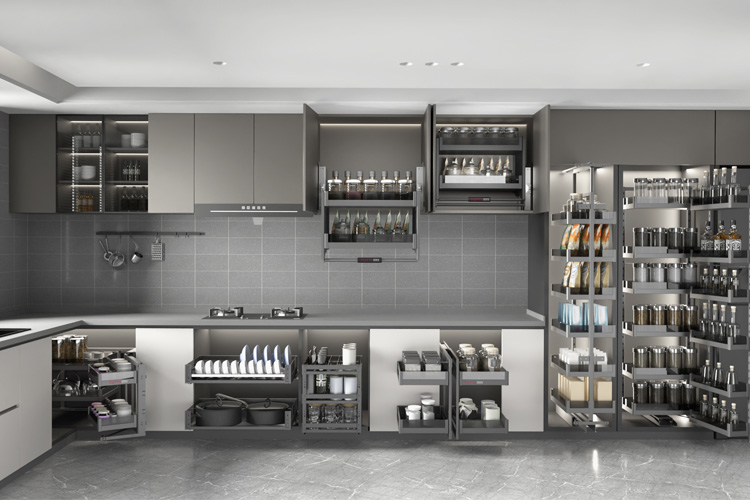
The kitchen sink area is traditionally a challenge for electronics due to moisture, temperature variation, and physical impact. Intelligence products designed for this zone prioritize robust sealing, corrosion-resistant materials, and user safety.
Intelligent Sink and Workstation Features
- Touch or Proximity Faucet Activation: A capacitance sensor embedded under the sink rim or in the faucet base detects skin contact or approach, triggering a solenoid valve in the water line.
- Integrated Waste Disposal Interlock: When the disposal unit is activated, the system can automatically run a small stream of cold water and, after a timed delay, turn the water off.
- Fill-by-Volume for Pots: An ultrasonic or flow-meter sensor fills a pot to a preset volume then stops, reducing water waste.
- Leak Detection and Shutoff: A small sensor strip placed along the sink’s underside rim detects moisture and can trigger a motorized ball valve to shut off water to that fixture.
Environmental Protection Standards
These features shift the sink from a passive basin to an active workstation. For manufacturers targeting mid-to-high-end residential or commercial kitchens, Intelligence sink components provide clear, demonstrable advantages over conventional fixtures. All electronic housings in the sink zone meet IP65 standards, ensuring dust-tight and water-resistant performance under typical kitchen conditions.
Intelligent Hinge Product Line
Hinges are the most numerous hardware component in any kitchen or wardrobe. A single kitchen may contain 30 to 50 hinges. Individually, each hinge seems an unlikely candidate for intelligence. Collectively, however, hinges provide granular data about cabinet usage patterns.
Detection and Monitoring Capabilities
- Door Open/Close Sensing: A tiny magnetic reed switch or hall sensor embedded in the hinge cup detects door position at a lower cost than separate sensors.
- Soft-Close Consistency Monitoring: The hinge can monitor closing velocity over time, flagging wear or lubricant degradation before complete failure.
- Angle Detection: For corner cabinets or fold-away doors, a hinge with angle detection allows the cabinet’s control system to trigger context-specific actions based on exact door position.
Backward Compatibility and Cost Efficiency
Because hinges are standardized and produced in high volume, adding intelligence at the manufacturing level adds fractional cost. The Intelligence hinge uses the same mounting hole pattern and dimensions as standard concealed hinges, ensuring backward compatibility. For a furniture manufacturer, this provides a viable pathway to adding smart capabilities across an entire product line without altering assembly processes.
Integration and Technical Compatibility
For a B2B buyer evaluating Intelligence components, compatibility with existing or planned control systems is a primary concern. These products are designed to be control-agnostic, allowing manufacturers to integrate without proprietary lock-in.
Open Communication Standards
The communication bus outputs standard, documented signal types. A manufacturer can integrate these components with a custom controller, a commercial home automation system, or simple relay logic. There is no requirement to purchase a specific brand of gateway or cloud subscription.
Wiring and Validation Support
Pre-assembled wiring harnesses with standard connectors are available for each component category, reducing assembly time and eliminating wiring errors. For each Intelligence product, engineering documentation includes test procedures for verifying sensor accuracy, actuator force, and communication integrity. Sample code for common microcontrollers is provided on request.
Supply Chain and Reliability Specifications
For international buyers, component reliability and supply chain stability are critical. The Intelligence product line is manufactured to meet consistent quality standards with transparent lead times.
Performance and Environmental Ratings
- Cycle life testing: Drawer slides rated to 80,000 cycles at full load. Hinges rated to 100,000 cycles. Electrical components certified for the same cycle count.
- Environmental ratings: Operating temperature -10°C to 60°C. Humidity tolerance up to 90% non-condensing. Kitchen sink zone components meet IP65 for the electronic housing.
- Material compliance: All products comply with RoHS. Stainless steel components use 304 grade as standard, with 316 grade available for high-corrosion environments.
- Consistent lead times: Standard production lead time is 25-35 days after order confirmation. Sample orders ship within 7-10 business days.
Technical Validation Checklist
Before committing to a production run with intelligent hardware, responsible manufacturers will validate the integration. This structured approach minimizes risk and ensures reliable field performance.
Mechanical and Electrical Validation Steps
- Mechanical fit testing: Mount sample drawer slides and hinges in your standard cabinet box. Verify hole alignment, clearance for wiring, and that the added thickness of sensor housings does not interfere with adjacent components.
- Electrical validation: Connect each component type to a representative control board. Verify power consumption in both standby and active states. Measure signal integrity over the maximum cable length in your design.
- Environmental stress test: Assemble a complete cabinet or wardrobe with all Intelligence components installed. Cycle all moving parts for 5,000 cycles while monitoring sensor data for drift or failure.
- Firmware integration: Write or adapt control logic to read sensor states and trigger actuators. Test boundary conditions including sensor failure scenarios and forced operation beyond normal limits.
- User acceptance simulation: Have test users interact with the intelligent cabinet. Observe confusion points and adjust threshold values or timing delays based on feedback.
Action Checklist for Buyers
To move forward with evaluating and integrating intelligent hardware into your cabinet or wardrobe product lines, follow this structured approach.
Recommended Next Steps
- Request the Engineering Datasheet Package: Contact our technical sales team to receive complete datasheets for Intelligence drawer slides, hinges, wardrobe fittings, and sink components. Each datasheet includes mechanical drawings, electrical specifications, pinout diagrams, and cycle test reports.
- Order a Sample Kit: Select up to 10 units each of the components you wish to evaluate. Sample kits are shipped within 10 business days and include pre-crimped wiring harnesses and a quick-start connection guide.
- Schedule a Technical Integration Review: Our engineering support team can schedule a 45-minute remote session to review your cabinet design, discuss wiring routing strategies, and recommend specific sensor configurations based on your feature goals.
- Request a Production Quotation: Once validation is complete, provide your annual volume forecasts by component type for a formal quotation. Volume pricing tiers begin at 1,000 units per component per year.
Initiate your transition to intelligent, connected furniture hardware today. Send an inquiry specifying your product categories of interest (drawer slides, hinges, wardrobe fittings, kitchen sink components) and your target monthly production volume. A dedicated account manager will respond within 24 business hours with the requested technical documentation and sample ordering instructions.