Intelligent Cabinet Hardware | Smart Drawer Slides, Hinges & Wardrobe Fittings
Intelligent Cabinet Hardware Market Overview
The transition from passive storage to active, responsive furniture is accelerating across residential and commercial markets. Kitchen cabinets that track inventory, wardrobes that adjust lighting based on door position, and drawer systems that report usage patterns are no longer prototypes or luxury novelties. They are becoming expected features in mid-to-upper range product lines. For cabinet manufacturers and furniture brands, the ability to deliver these capabilities depends entirely on the hardware platform chosen.
Intelligence-grade hardware represents a complete departure from conventional fittings. Traditional drawer slides, hinges, and wardrobe components serve a single mechanical purpose. Intelligent versions embed sensing, power distribution, and data communication pathways directly into their structure. This architectural shift allows manufacturers to add smart functionality without increasing assembly complexity or relying on external, loosely attached sensor modules. The result is a cleaner installation, higher reliability, and a stronger competitive position.
Market Drivers for Intelligent Furniture Components
Several converging trends explain the growing demand for Intelligence hardware. First, the ubiquity of smart home platforms has raised end-user expectations. Consumers who control lighting, climate, and security through voice commands or mobile apps expect their storage furniture to participate in the same ecosystem. Second, commercial applications such as hotels, senior living facilities, and laboratories benefit from usage tracking and automated operation. Third, manufacturers seeking product differentiation in competitive markets find that intelligent features justify premium pricing without requiring complete product redesigns. These drivers are not temporary. They reflect a permanent elevation of user expectations.
Smart Drawer Slide Product Line
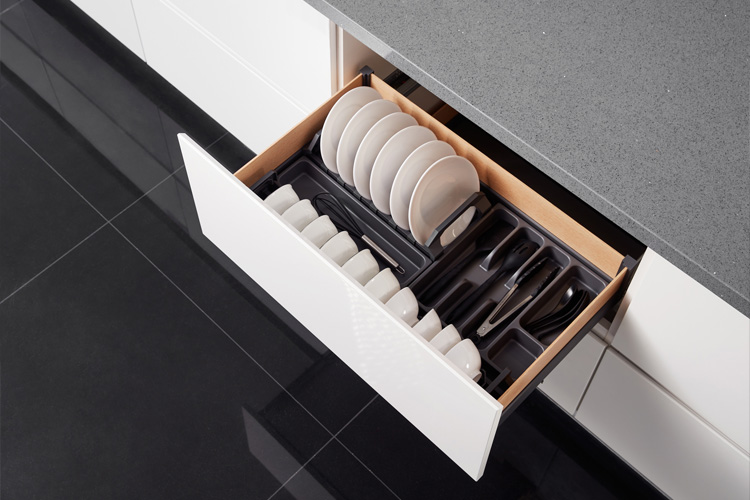
The drawer slide is the most frequently operated mechanism in any kitchen, office, or wardrobe installation. A typical family kitchen drawer may be opened and closed thousands of times annually. This high frequency of interaction makes drawer slides the ideal entry point for adding intelligent capabilities. The Intelligence smart drawer slide platform transforms this routine motion into a source of data and automated response.
Position Sensing and Variable Damping Technology
Embedded hall effect sensors within the Intelligence drawer slide continuously report the drawer’s position—fully closed, partially extended, or fully open. This positional awareness enables several valuable features. Interior lighting can activate only when a drawer opens and extinguish immediately upon closing, reducing energy consumption. Inventory tracking systems can log each access event, useful for commercial kitchens or medical supply cabinets. Additionally, the slide incorporates variable damping that adjusts soft-close force based on detected drawer load weight and user push velocity. A heavy drawer fully loaded with cookware receives more damping force than an empty drawer, ensuring consistent closing behavior across all applications.
Motorized Opening and Usage Telemetry Options
For accessibility-focused or hands-free applications, the Intelligence drawer slide can be specified with an integrated DC linear actuator. This motorized version responds to touch sensors, proximity detection, or voice commands, opening smoothly and silently. Full manual override remains functional—users can pull or push normally without mechanism damage. For commercial installations, the optional telemetry module records open-close cycles, duration of open events, and peak load. This data enables predictive maintenance scheduling and usage pattern analysis. When a slide approaches its rated cycle life, the system can generate a service alert before failure occurs.
Connected Wardrobe Fitting Systems
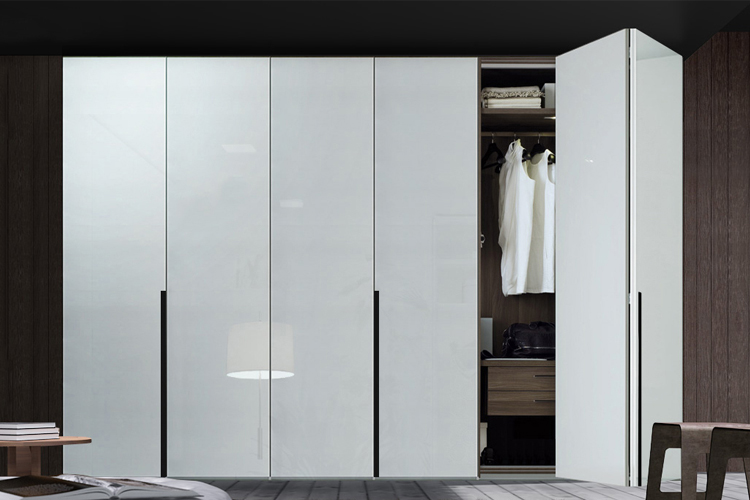
Wardrobes present a distinct set of requirements compared to kitchen cabinets. Users seek organization assistance, garment care optimization, and space utilization. The Intelligence wardrobe fitting line addresses these needs through specialized components that combine sensing, gentle actuation, and environmental monitoring.
Pull-Out Hanging Rods with Capacitive Activation
Deep wardrobes often make rear garments difficult to access. The Intelligence motorized hanging rod solves this problem. A light touch on a capacitive strip extends the rod smoothly, bringing all garments into easy reach. Position sensors ensure the rod retracts only when fully cleared of obstacles, preventing damage. For spring-assisted versions without motors, damped extension provides controlled movement without sudden stops. These rods can be installed in new wardrobes or retrofitted into existing structures using standard mounting brackets.
Environmental Monitoring and Load Sensing Capabilities
The optional environmental sensor module mounts discreetly inside the wardrobe structure, monitoring ambient humidity and motion patterns. When the system detects elevated humidity combined with lack of ventilation, it can trigger a connected exhaust fan or dehumidifier. For premium garment storage, users receive alerts when conditions risk damage to wool, silk, or leather items. Load cells integrated into wardrobe shelves connect to the Intelligence communication bus, allowing the system to display weight distribution and identify overloaded shelves before structural failure occurs. These capabilities transform wardrobes from passive storage into active garment care systems.
Intelligent Hinge Product Family
Hinges are the most numerous hardware component in any cabinet installation. A single kitchen may contain 30 to 50 hinges. While each hinge individually seems an unlikely candidate for intelligence, collectively they provide the most granular data about cabinet usage patterns. The Intelligence hinge family adds sensing capability at minimal incremental cost.
Door Position and Angle Detection
A magnetic reed switch or hall effect sensor embedded in the hinge cup detects door position—open or closed—without requiring separate sensor mounting. For applications requiring finer resolution, angle detection hinges use a rotary potentiometer or encoder to report exact door angle. This precision enables context-specific actions: at 30 degrees of opening, a low-wattage pathway light illuminates; at 80 degrees, the main interior cabinet light activates; at full extension, ventilation fans may engage. The same angle data allows the cabinet control system to learn user preferences over time, adjusting lighting thresholds based on observed behavior.
Soft-Close Consistency Monitoring and Predictive Maintenance
Each Intelligence hinge monitors closing velocity continuously. Over thousands of cycles, the hinge establishes a baseline closing speed. When deviation from this baseline exceeds a configurable threshold, the system flags that specific hinge for inspection. This early warning capability prevents sudden mechanism failure that could damage cabinet doors or contents. For manufacturers offering maintenance contracts, this data enables proactive service visits rather than reactive repairs. The hinge uses standard 35mm cup dimensions and common mounting hole patterns, ensuring backward compatibility with existing cabinet designs.
Sensor-Activated Kitchen Sink Systems
The kitchen sink zone presents unique challenges for electronic components. Moisture, temperature variation, physical impact, and chemical exposure demand robust engineering. Intelligence sink products are designed specifically for this environment, prioritizing sealing, material selection, and user safety.
Touch-Activated Faucet Control and Leak Detection
Capacitance sensors embedded under the sink rim or within the faucet base detect skin contact or close approach, triggering a solenoid valve in the water supply line. This touch-activated control eliminates mechanical handles, reducing cleaning effort and preventing cross-contamination when handling raw ingredients. Water temperature can be preset through a separate mixing valve or controlled via smart actuators. The integrated leak detection system uses a flexible sensor strip placed along the sink’s underside rim. Upon detecting moisture from a cracked seal or loose fitting, the system sends an alert and can optionally actuate a motorized ball valve to shut off water to that specific fixture, preventing under-sink cabinet damage.
Fill-by-Volume and Disposal Interlock Features
For cooking applications, the fill-by-volume function automatically measures water into pots. The user places a pot in the sink and presses a start button. An ultrasonic or flow-meter sensor dispenses a preset volume—for example, two liters for pasta—then stops. This eliminates watching-over and reduces water waste. When integrated with a waste disposal unit, the Intelligence system automatically runs a small stream of cold water during disposal operation and, after a timed delay, turns the water off. This ensures proper disposal function while minimizing water usage. All electronic components in the sink zone meet IP65 standards for dust-tight and water-resistant performance.
Technical Integration and Communication Protocols
For B2B buyers evaluating Intelligence components, integration simplicity and long-term compatibility are primary concerns. The product line is designed to be control-agnostic, avoiding proprietary lock-in that could complicate future upgrades or limit control platform choices.
Open Bus Architecture and Documentation
The Intelligence communication bus outputs standard, documented signal types. Pinout diagrams, voltage levels, and timing specifications are provided in each product datasheet. A manufacturer can integrate these components with custom microcontroller boards using Arduino, STM32, ESP32, or similar platforms. Alternatively, integration with commercial home automation systems from multiple vendors is possible through standard dry contact interfaces or serial communication. No proprietary gateway, cloud subscription, or brand-specific controller is required. This open approach protects the manufacturer’s investment and provides flexibility for future changes.
Pre-Assembled Wiring Harnesses and Testing Support
To reduce assembly time and eliminate wiring errors, pre-assembled wiring harnesses with standard JST or Molex connectors are available for each Intelligence component category. Harnesses are offered in standard lengths of 300 millimeters, 600 millimeters, and 1000 millimeters, with custom lengths available for production orders. Engineering documentation includes complete test procedures for verifying sensor accuracy, actuator force, and communication integrity after assembly. Sample code for common microcontroller platforms is provided on request, enabling rapid prototyping before production commitment.
Reliability Specifications and Supply Chain Information
International buyers require predictable quality and consistent supply. The Intelligence product line is manufactured to meet documented specifications with transparent lead times and material compliance.
Cycle Life, Environmental Ratings, and Material Standards
Drawer slides are rated to 80,000 cycles at full rated load. Hinges are rated to 100,000 cycles. All electronic components including sensors and wiring are certified for the same cycle count as their associated mechanical base. Operating temperature range is -10 degrees Celsius to 60 degrees Celsius. Humidity tolerance is up to 90 percent non-condensing. Kitchen sink zone electronic housings meet IP65 standards. All products comply with RoHS requirements for restricted substances. Stainless steel components use 304 grade as standard, with 316 grade available for marine or high-corrosion environments. Each production batch includes sample testing documentation available upon request.
Lead Times and Ordering Information
Standard production lead time is 25 to 35 calendar days after order confirmation and deposit receipt. Sample orders of up to 50 units per component type ship within 7 to 10 business days. Volume pricing begins at 1,000 units per component per year, with additional discounts available at higher annual volumes. Minimum order quantities vary by component type and are specified in the quotation process. For urgent requirements, expedited production may be available with additional fees. Contact the sales team with specific volume and timeline requirements for a formal quotation.
Product Validation and Testing Checklist
Before committing to production quantities, responsible manufacturers complete a validation process. The following checklist outlines recommended steps for qualifying Intelligence components in new cabinet or furniture designs.
Mechanical, Electrical, and Environmental Validation Steps
- Mechanical fit testing: Mount sample drawer slides and hinges in standard cabinet boxes. Verify hole alignment, clearance for wiring pathways, and that the added thickness of sensor housings does not interfere with adjacent components or drawers.
- Electrical validation: Connect each component type to the intended control board. Measure power consumption in standby mode and active operation. Verify signal integrity and communication reliability over the maximum cable distance present in the design.
- Environmental stress testing: Assemble a complete cabinet or wardrobe with all Intelligence components installed. If a temperature and humidity chamber is available, cycle the assembly through the specified operating range. Perform 5,000 mechanical cycles while monitoring sensor data for drift, intermittent connections, or failure.
- Firmware integration testing: Implement control logic to read sensor states and trigger actuator responses. Test edge conditions including sensor failure simulation, communication loss, and forced mechanical operation beyond normal parameters. Document all failure mode behaviors.
- User acceptance simulation: Have test users unfamiliar with the design interact with the intelligent cabinet. Observe points of confusion, unexpected behaviors, or perceived delays. Adjust sensor thresholds, timing delays, or feedback mechanisms based on observations before finalizing production specifications.
Procurement and Technical Support Process
Qualified buyers can follow a structured process to evaluate, validate, and procure Intelligence components for production. The following steps outline the standard engagement pathway.
From Initial Inquiry to Production Order
- Request engineering documentation: Submit an inquiry specifying component categories of interest—drawer slides, hinges, wardrobe fittings, or sink systems. The technical sales team responds within 24 business hours with complete datasheets including mechanical drawings, electrical specifications, pinout diagrams, and cycle test reports.
- Order sample kit: Select up to 10 units per component type for evaluation. Sample kits ship within 10 business days and include pre-crimped wiring harnesses, a quick-start connection guide, and access to sample firmware code.
- Schedule technical review: Engineering support offers a 45-minute remote session to review cabinet designs, discuss wiring routing strategies, and recommend specific sensor configurations based on intended features and target market.
- Submit production forecast: After validation, provide annual volume forecasts by component type. The sales team prepares a formal quotation with volume pricing tiers, lead time commitments, and payment terms.
- Place initial production order: Upon quotation acceptance, the production order is scheduled. Quality control documentation including batch test results is provided with shipment.
Initiate your evaluation of Intelligence hardware components today. Send an inquiry to the technical sales team specifying your product categories of interest and estimated annual volumes. A dedicated account manager will respond with requested documentation and sample ordering instructions within one business day.